3D Lizard Shadow Box SVG Template: A Practical Guide to Digital Papercraft Workflows
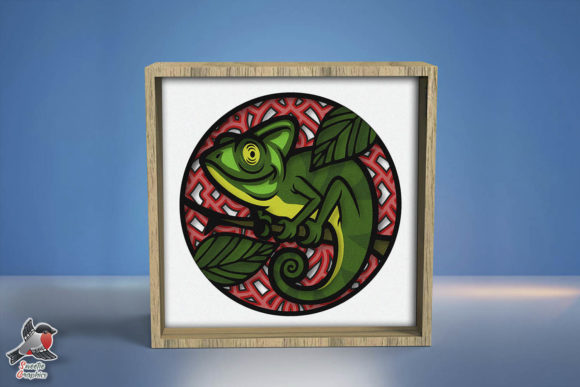
Integrating digital fabrication into physical decor projects requires a balance of artistic vision and technical precision. The 3D Lizard Shadow Box SVG Template serves as a comprehensive digital asset designed to bridge the gap between screen-based design and tangible interior decoration. Unlike static artwork, this template functions as a modular construction kit. It provides the structural blueprint necessary to build a multi-layered lightbox that adds depth, warmth, and visual interest to any room. For creators, educators, and small business owners, understanding how to leverage this specific file format is essential for efficient production and high-quality results.
This digital shadow box template is engineered for versatility within modern maker workflows. Whether you are producing custom home decor for sale, creating unique gifts, or engaging in therapeutic papercrafting, the template acts as the foundational layer of your project. It eliminates the guesswork associated with designing complex interlocking layers from scratch, allowing you to focus on material selection, lighting integration, and final assembly. By utilizing pre-optimized vector files, users can bypass the steep learning curve of 3D modeling while still achieving professional-grade dimensional art.
Technical Specifications and File Compatibility
Successful implementation of the 3D Lizard Shadow Box SVG Template begins with understanding the included assets. The download package is structured to support various production methods, ensuring compatibility across different hardware and software ecosystems. The ZIP archive contains a robust suite of files designed for both digital cutting machines and traditional hand-cutting techniques.
- Vector Formats (SVG, DXF, EPS, AI): These 28 distinct files are optimized for cutting plotters like Cricut, Silhouette, and Brother ScanNCut. The AI files allow for advanced editing in Adobe Illustrator, enabling users to resize or modify the design without losing line integrity.
- Raster and Print Formats (PDF, PNG, JPG): The PDF files serve as reliable guides for hand cutting or printing directly onto cardstock. High-resolution PNGs and JPG illustrations provide visual references for layer stacking order and assembly alignment.
- Documentation: A dedicated Readme TXT file outlines critical specifications, ensuring users have immediate access to sizing and material recommendations before beginning the cut process.
The template defaults to an 8x8 inch size but is fully scalable. Because the source files are vector-based, resizing does not result in pixelation or jagged edges. This scalability is crucial for professionals who may need to adapt the lizard design for different frame sizes or client specifications. When preparing files for machine cutting, it is vital to verify that your software recognizes the cut lines versus score lines, especially when working with the 14 individual paper layers that create the shadow box effect.
Material Selection and Preparation Strategy
The quality of the final 3D lizard lightbox depends heavily on material choice. The template is calibrated for paper weights between 180gsm and 250gsm. Using paper lighter than 180gsm may result in sagging layers that fail to maintain the three-dimensional structure, while paper heavier than 250gsm can be difficult to cut precisely and may reduce light transmission if used as a backlight layer.
Before initiating the cutting process, establish a consistent material workflow. Test cuts are mandatory when switching paper brands or types, as fiber density varies even among papers with identical GSM ratings. For machine users, adjust blade depth and pressure settings based on these test cuts to ensure clean edges without tearing. Hand-cutters should use a fresh art knife blade; dull blades compress paper fibers rather than slicing them, leading to frayed edges that detract from the intricate lizard silhouette.
Foam board or foam tape is required to create the separation between the 14 layers. This spacing is what generates the shadow depth characteristic of this art form. Plan your adhesive strategy before assembly. Double-sided foam tape offers consistent spacing and is generally cleaner than liquid glue, which can warp paper. For a professional finish, consider using acid-free adhesives to prevent yellowing over time, ensuring the lightbox maintains its aesthetic appeal for years.
Assembly Workflow and Layer Management
Constructing the 3D Lizard Shadow Box SVG Template is a systematic process that rewards organization. With 14 separate layers, maintaining sequence is critical. Utilize the included JPG illustrations as a visual map throughout the assembly phase. Lay out all cut pieces in numerical order before applying any adhesive. This "dry fit" stage allows you to identify any cutting errors or missing elements before committing to permanent assembly.
During the stacking phase, alignment is paramount. Even minor shifts in early layers can compound, resulting in a distorted final image. Use registration marks or the frame edges as guides. If the template includes alignment tabs or guide holes, utilize them to lock layers into position. For those integrating LED lighting, plan the wiring path during the layering process. Decide whether the light source will be rear-mounted or edge-lit, and ensure sufficient clearance between the back panel and the deepest paper layer to prevent hot spots or fire hazards.
Efficiency in assembly also involves batch processing. If you are producing multiple units for a market or classroom activity, cut all layers for several units at once, then move to a dedicated assembly station. This separation of cutting and gluing tasks reduces setup time and mental fatigue, leading to higher consistency across finished products.
Integration into Creative and Commercial Projects
Beyond personal hobbyist use, the 3D Lizard Shadow Box SVG Template fits seamlessly into broader creative and business workflows. For Etsy sellers and craft entrepreneurs, this digital asset represents a low-overhead product line. Since the file is available for instant download upon payment receipt, there is no inventory management or shipping logistics for the template itself. Sellers can offer physical finished lightboxes, DIY kits with pre-cut layers, or simply the digital license for other makers.
Educators and workshop facilitators can utilize this template as a structured learning tool. The 14-layer complexity is suitable for teaching spatial reasoning, patience, and fine motor skills to older students or adult learners. The digital nature of the file means instructors can print exactly the number of copies needed, reducing waste. Furthermore, the ability to edit AI files allows educators to simplify the design for younger audiences or add branding for corporate team-building events.
For interior designers and decorators, this template offers a customizable solution for themed spaces. The naturalistic lizard motif works well in biophilic design schemes, nurseries, or terrarium-themed rooms. Because the file is editable, colors and background elements can be adjusted to match specific paint palettes or textile patterns, making it a bespoke decor element rather than generic wall art.
Optimizing Long-Term Usability and Quality Control
To maximize the value of the 3D Lizard Shadow Box SVG Template, implement a digital asset management system. Store the original ZIP file in a cloud backup alongside your active project folders. Create subfolders for modified versions, noting specific changes such as resized dimensions or color adjustments. This version control prevents accidental overwriting of the master template and streamlines future reproductions.
Quality control extends to the final display environment. Paper is sensitive to humidity and UV exposure. Advise end-users or clients to place the finished lightbox away from direct sunlight to prevent fading. If the lightbox uses internal LEDs, ensure they are cool-running varieties to protect the paper layers from heat damage over extended periods. Including care instructions with sold items demonstrates professionalism and enhances customer satisfaction.
Finally, embrace the iterative nature of digital crafting. The first build serves as a prototype. Document any friction points encountered during cutting or assembly. Did a specific layer tear easily? Was the spacing insufficient for the chosen lights? Use these observations to refine your personal workflow or to create supplemental guides for customers. The 3D Lizard Shadow Box SVG Template is not just a static image; it is a dynamic component of a larger creative ecosystem that improves with each application.
Final Considerations for Implementation
Adopting the 3D Lizard Shadow Box SVG Template into your repertoire requires a shift from passive consumption to active creation. Success lies in respecting the technical parameters of the file while exploring its creative potential. By focusing on proper material preparation, systematic assembly, and strategic integration into your specific goals, this digital resource becomes more than a simple download. It becomes a reliable standard in your production workflow, capable of delivering consistent warmth and coziness through precise, layered paper art.
Whether you are cutting by hand with scissors and an art knife or utilizing automated plotting equipment, the smooth lines and optimized geometry of this template facilitate a frustration-free experience. Remember that creativity thrives within constraints; the 14-layer limit and 8x8 inch baseline provide a framework that supports innovation rather than restricting it. Download the template, prepare your workspace, and engage with the process of bringing digital vectors to life as illuminated, three-dimensional reality.