Cup Cradle and Tumbler Cradle: Evaluating Digital STL Files for Custom Drinkware Storage
Organizing drinkware, particularly insulated tumblers and specialty cups with irregular bases, often requires solutions that standard cabinetry cannot provide. A Cup Cradle or Tumbler Cradle designed as a digital STL file offers a distinct approach to this organizational challenge by shifting the manufacturing process directly to the user. Unlike pre-manufactured plastic organizers or custom woodworking projects, these digital assets allow for immediate customization and on-demand production. Understanding the specific utility of a downloadable 3D printable cradle requires examining how it fits into broader organization strategies, the technical realities of printing functional parts, and the licensing implications for those who may wish to sell finished products.
Distinguishing Digital STL Assets from Physical Organizers
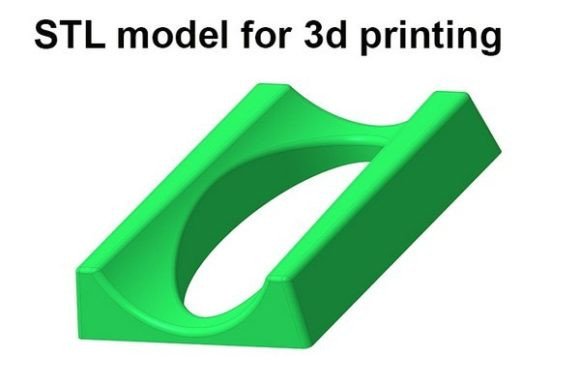
The primary distinction between purchasing a physical cup holder and acquiring a Cup Cradle STL file is the transfer of production responsibility. When buying a physical product, you are paying for manufacturing, quality assurance, shipping, and material selection. With a digital download, the value proposition shifts entirely to design geometry and adaptability. The STL file serves as a blueprint rather than a finished good. This format is universally compatible with most FDM (Fused Deposition Modeling) and resin slicer software, making it accessible to a wide range of printer owners.
This digital nature introduces significant flexibility regarding dimensions. Standard store-bought tumbler organizers are typically molded to fit specific popular brands. If your drinkware collection includes older models, limited editions, or varying sizes, off-the-shelf options often fail to provide a secure fit. A digital Tumbler Cradle allows users to scale the model in their slicer software before printing. This capability ensures that the cradle matches the exact diameter and weight distribution of the specific vessels being stored, reducing the risk of tipping or scratching that can occur with ill-fitting generic holders.
Comparing Manufacturing Approaches and Material Considerations
Evaluating a 3D printed cradle against alternative fabrication methods highlights specific tradeoffs in durability, cost, and time investment. Injection-molded plastic organizers generally offer superior surface finish and isotropic strength. However, they lack customization and require high minimum order quantities for custom designs. Woodworking provides aesthetic warmth and structural rigidity but demands significant skill, tools, and finishing time to achieve a smooth surface that will not mar delicate tumbler coatings.
3D printing occupies a middle ground. It offers geometric complexity impossible with woodworking and customization unavailable in mass-produced plastics. However, users must account for layer lines and anisotropic strength. A Cup Cradle printed with low infill or insufficient wall thickness may deform under the weight of a heavy stainless steel tumbler. Conversely, over-engineering the print wastes filament and time. Successful implementation requires selecting appropriate materials; PLA is sufficient for indoor, climate-controlled storage, while PETG or ASA may be necessary if the cradle will be exposed to heat, UV light, or heavier mechanical stress.
Furthermore, the "no physical item" aspect means there is zero lead time for shipping, but immediate lead time for production. For users needing ten identical cradles instantly, buying physical is faster. For users needing one unique cradle tonight, digital is superior. The decision matrix relies heavily on urgency versus specificity.
Licensing, Commercial Use, and Intellectual Property Boundaries
For makers and small business owners, the licensing terms associated with digital design files are as critical as the geometry itself. Many STL files are restricted to personal use only. The specific Cup Cradle and Tumbler Cradle files discussed here include commercial rights for physical objects, which significantly alters their value proposition for entrepreneurs. Users are permitted to print and sell the crafted items, integrating these cradles into product lines for craft fairs, Etsy shops, or local markets.
However, strict boundaries exist to protect the designer's intellectual property. While selling the physical printed cradle is allowed, converting the design into other digital formats (such as STEP, OBJ, or modified STLs) for resale or redistribution is prohibited. This distinction preserves the creator's revenue stream while enabling the buyer's commercial activity. Buyers evaluating this resource for business purposes must understand that they are purchasing a manufacturing license, not ownership of the design itself. Respecting these terms ensures the continued availability of high-quality designs and supports the ecosystem of independent creators.
Technical Autonomy and Support Limitations
A crucial factor in deciding whether to purchase a digital STL file is an honest assessment of one’s own technical proficiency. The product description explicitly states that no technical support is provided. This policy is standard for low-cost digital assets but represents a significant risk for novice users. Unlike buying a physical organizer where defects are the seller's responsibility, a failed print due to incorrect slicer settings, poor bed adhesion, or hardware calibration is solely the user's burden.
Experienced users will view this as a non-issue, understanding that dialing in settings for a specific printer and filament combination is part of the hobby. Beginners, however, should consider whether they have the troubleshooting skills to manage potential failures. If a user requires step-by-step guidance on layer height, support structures, or orientation, they may need to seek community support through forums or social media groups rather than expecting direct assistance from the designer. The absence of support keeps the price point accessible but raises the barrier to entry regarding required knowledge.
Optimal Use Cases and Decision Factors
Determining when a digital Cup Cradle or Tumbler Cradle is the correct solution involves analyzing the specific organizational problem. This format excels in scenarios requiring bespoke solutions. Examples include:
- Irregular Drinkware: Tumblers with tapered bases, handles, or non-standard diameters that do not fit universal racks.
- Space Optimization: Designing cradles that fit specific shelf depths, drawer heights, or cabinet corners where commercial products leave wasted space.
- Prototyping: Testing a storage concept before committing to expensive permanent installations or bulk orders.
- Small Batch Production: Makers creating matching accessories for tumbler sets sold in their own shops.
Conversely, alternative options may be preferable in different contexts. If the goal is to organize fifty identical standard cups in a commercial kitchen, injection-molded wire racks are likely more durable and cost-effective per unit. If the aesthetic requirement demands natural materials and seamless finishes, woodworking or ceramic options surpass the layered appearance of 3D prints. Additionally, users without access to a reliable 3D printer or the willingness to learn slicing software should avoid digital files entirely, as the hidden costs of failed prints and learning curves can exceed the price of premium physical organizers.
Evaluating Value Beyond the Initial Download
The true cost of a digital Tumbler Cradle extends beyond the purchase price of the ZIP file. A comprehensive evaluation includes filament consumption, electricity, machine depreciation, and post-processing labor. For a single cradle, these marginal costs are negligible. For large-scale organization projects, they accumulate. Users should calculate the total landed cost per unit to ensure the digital route remains economically viable compared to retail alternatives.
Despite these additional considerations, the ability to modify size and produce on demand offers long-term value that static products cannot match. As drinkware collections evolve, the digital file can be reprinted at new scales or in updated colors without repurchasing. This adaptability makes the Cup Cradle STL file a sustainable choice for dynamic households and businesses. By weighing technical autonomy against convenience, and customization against uniformity, users can make informed decisions that align with their specific organizational needs and manufacturing capabilities.