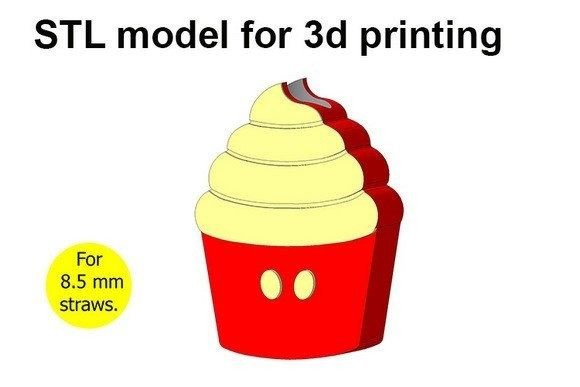
Cupcake Straw Topper: Elevating Party Drinks with 3D Printed Charm
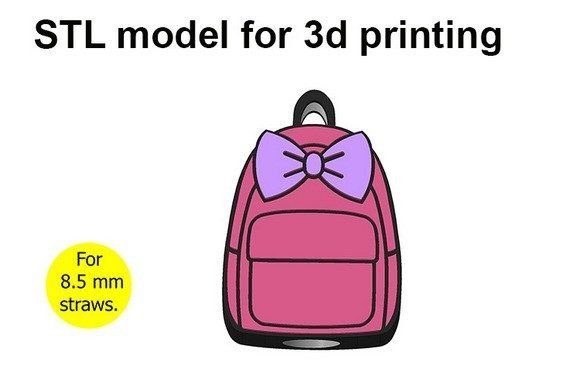
There is a distinct magic in the small details that transform a standard gathering into a memorable event. When planning a birthday party, bridal shower, or summer picnic, the beverage station often becomes a focal point for social interaction and photography. The Cupcake Straw Topper serves as that perfect intersection of functionality and whimsy, turning ordinary hydration into a themed experience. Unlike generic plastic stirrers or paper flags that inevitably get soggy, this digital STL file allows you to create durable, reusable, and perfectly sized accessories tailored specifically for 8.5 mm straws. It is more than just a decoration; it is a customizable element of party architecture that bridges the gap between professional catering aesthetics and homemade charm.
Real-World Applications for Themed Celebrations
The primary strength of the Cupcake Straw Topper lies in its versatility across different types of celebrations. For children’s birthday parties, particularly those with bakery, candy land, or pastel themes, these toppers act as an immediate visual cue that ties the drinkware to the cake table. Parents often struggle to find decorations that match specific color palettes or motifs without ordering expensive custom sets weeks in advance. By printing these toppers at home, you gain the agility to adjust quantities and colors right up until the event starts. Imagine hosting a "sweet six" celebration where every guest receives a pink lemonade topped with a miniature fondant-style cupcake; the cohesion creates an immersive environment that feels professionally curated.
Beyond children's parties, adult gatherings benefit significantly from this level of detail. At bridal showers or bachelorette parties, the aesthetic often leans toward elegance mixed with playfulness. A Cupcake Straw Topper printed in gold, rose gold, or matte white filament can elevate champagne flutes or mimosa glasses without looking juvenile. Wedding planners and DIY brides frequently use these as budget-friendly alternatives to expensive glass charms or metal picks. Because the design is optimized for standard straws, it works seamlessly with disposable cups for outdoor receptions or glassware for indoor dining, maintaining thematic consistency regardless of the vessel.
Opportunities for Small Businesses and Crafters
For entrepreneurs in the event industry, this digital asset represents a tangible product line with zero inventory risk. Mobile bartenders, pop-up coffee shops, and boutique bakeries can use the Cupcake Straw Topper to differentiate their service in a saturated market. When a customer orders a specialty latte or a signature cocktail, the addition of a branded or themed topper increases the perceived value of the drink. It encourages social media sharing, effectively providing free marketing when guests post photos of their aesthetically pleasing beverages. The commercial license included with this file allows crafters to sell the physical printed items, making it an excellent addition to Etsy shops or local craft fair booths focused on party supplies.
Bakeries that offer beverage pairings can also leverage this tool to reinforce brand identity. If your shop is known for gourmet cupcakes, having a matching straw topper creates a cross-sensory branding experience. Customers appreciate the attention to detail, and it subtly reinforces the quality of your baked goods through association. Since the file is digital, businesses can scale production based on demand without worrying about storage space or minimum order quantities from overseas suppliers. This just-in-time manufacturing model is particularly useful for seasonal promotions, allowing you to print festive variations for holidays or special community events without financial commitment.
Optimizing Print Settings for Food-Safe Durability
Achieving a professional finish with the Cupcake Straw Topper requires adherence to specific technical parameters that balance aesthetics with structural integrity. The recommended layer height of 0.15mm is crucial for capturing the intricate curves and frosting details that make the cupcake design recognizable. Printing at a coarser resolution might save time, but it results in visible layer lines that detract from the smooth, fondant-like appearance necessary for food-related decor. The specification of seven top solid layers ensures that the upper surface is completely sealed and smooth, preventing liquid from seeping into the infill while providing a pleasant tactile experience for the user.
Durability is equally important, especially for reusable applications. The recommendation for two outline perimeters and four bottom solid layers creates a robust shell that resists cracking when pressed onto a straw. While 23% infill provides sufficient internal support without wasting material, users should consider the type of filament being used. PLA is standard and comes in vibrant colors, but PETG may be preferable for hot beverages or repeated washing due to its higher heat resistance and flexibility. Understanding these settings helps prevent common failures like snapping stems or rough edges that could catch on lips or clothing. Taking the time to dial in these parameters before mass production ensures that every topper meets the quality standards expected by party guests and customers alike.
Customization and Sizing Considerations
One of the most practical advantages of working with a digital STL file is the ability to adapt the design to real-world variables. While the Cupcake Straw Topper is engineered for 8.5 mm straws, not all straws are manufactured to exact tolerances. Before printing a full batch for an event, it is wise to print a single test piece to verify the fit with your specific straw stock. Some eco-friendly paper straws or thick-walled reusable silicone straws may vary slightly in diameter. Most slicer software allows you to scale the model uniformly by small percentages to accommodate these differences. If your straws are thicker, scaling up by 2-3% can prevent splitting; if they are thinner, scaling down ensures the topper stays securely in place during use.
Color selection also plays a functional role beyond mere aesthetics. Darker filaments tend to hide layer lines better than lighter ones, which can be beneficial if you do not have access to premium silk or matte materials. Conversely, white or cream filaments best mimic actual frosting but may require post-processing or higher quality settings to look pristine. Users should also consider the weight distribution; while the design is balanced, extremely lightweight straws might tip over in empty cups. Adding a washer or using a heavier straw can mitigate this physics issue, ensuring the decoration remains upright and photogenic throughout the duration of the event.
Navigating Digital Ownership and Usage Rights
Purchasing a digital product like this Cupcake Straw Topper shifts the responsibility of production to the buyer, which offers freedom but requires mindfulness regarding intellectual property. The permission to sell physical prints empowers makers to build a business, yet it is vital to respect the boundary against redistributing the digital file itself. Converting the design into other formats for digital resale undermines the creator's work and violates the licensing terms. This distinction protects the ecosystem of independent designers who rely on selling files to fund new creations. For buyers, understanding this ethical framework ensures sustainable access to high-quality designs in the future.
It is also important to manage expectations regarding technical support. As a digital download, this product assumes a baseline proficiency with 3D printing hardware and software. Troubleshooting adhesion issues, nozzle clogs, or slicing errors falls within the user's domain. However, this autonomy is precisely what makes the format so valuable for experienced makers. You are not waiting for shipping or dealing with customer service delays; you have immediate access to the solution. For those new to printing, utilizing community forums or manufacturer resources for printer-specific advice is often more effective than expecting design-specific tech support. Embracing this self-sufficient approach unlocks the true potential of digital fabrication, allowing you to iterate, improve, and create exactly what your project needs without external dependencies.