Hand Spindle: Crafting Authentic Yarn Traditionally
The rhythmic rotation of a hand spindle offers a tangible connection to textile history that modern machinery simply cannot replicate. For creators, educators, and hobbyists seeking authenticity in their craft, this traditional tool serves as both an instrument of production and a medium for mindfulness. Unlike industrial spinning wheels or electric spinners, a hand spindle requires active engagement with the fiber, allowing the user to feel every variation in texture and twist. This direct feedback loop is essential for producing yarns with genuine character and softness, making it a preferred choice for artisans who value process as much as the final product.
Understanding the mechanics and best practices of this tool transforms it from a simple novelty into a reliable production device. Whether you are a small business owner creating bespoke fiber arts or a freelancer looking for a portable creative outlet, mastering the hand spindle opens up specific opportunities for high-quality, low-impact yarn production.
Mastering Fiber Preparation and Drafting Techniques
The primary function of this traditional hand spindle is to spin yarn from a sliver by pulling and twisting the fibers simultaneously. This action, known as drafting, is where the quality of the final yarn is determined. While synthetic blends can be spun, the best results are consistently achieved from natural wool fibers like sheep wool and goat wool. These protein fibers possess microscopic scales that lock together when twisted, creating a cohesive structure that plant fibers or synthetics often lack on a drop spindle.
For professionals and educators, this distinction matters practically. Sheep wool offers elasticity and memory, making it forgiving for learners and ideal for garments that need to retain shape. Goat wool, such as mohair or cashmere, provides luxury and halo but requires a lighter touch due to its slicker surface. Using the appropriate fiber ensures that the time invested in hand spinning yields a usable, durable material rather than a fragile novelty. The hand spindle allows for precise control over the draft zone, enabling spinners to create thick-and-thin art yarns or consistent lace-weight threads depending on the project requirements.
Optimizing Tool Assembly for Consistent Rotation
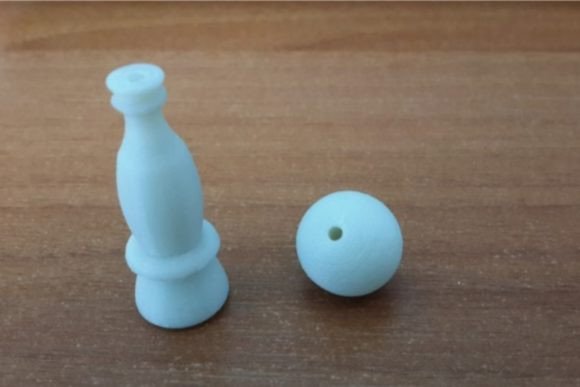
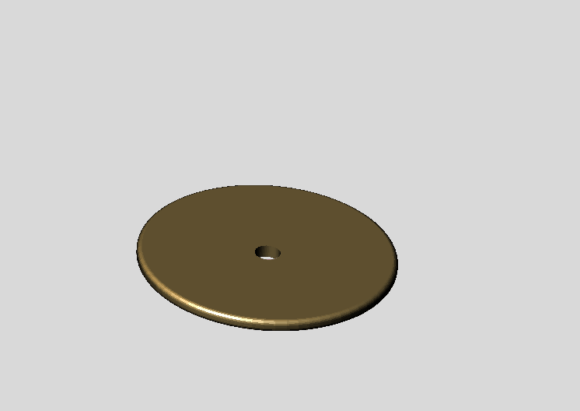
A common point of failure for beginners and intermediate spinners is improper tool maintenance. This specific hand spindle consists of two distinct parts: the spindle shaft itself and the whorl (often referred to as the wheel). In many traditional designs, these components are friction-fit, meaning the spindle slides into the wheel and stays there through pressure alone. However, reliance on friction can lead to instability during long spinning sessions or when plying heavier yarns.
To ensure professional-grade consistency, it is advisable to glue the shaft to the whorl permanently. This modification eliminates wobble, which is the enemy of even twist distribution. A stable spindle maintains momentum longer, reducing the physical effort required to keep the tool spinning. For entrepreneurs selling hand-spun yarn, this mechanical optimization directly impacts product consistency. Even twist equals stronger yarn, fewer breaks during weaving or knitting, and a superior hand-feel that justifies premium pricing. Taking five minutes to secure the assembly saves hours of frustration and rework later.
Achieving Softness and Structural Integrity Through Plying
One of the most significant advantages of hand-spun yarns is their renowned softness and authenticity. Industrial yarns are often spun at high speeds with tight twist to maximize yardage and strength, resulting in a denser, sometimes harsher fabric. Hand spinning allows for a lower twist angle, trapping more air within the fiber structure. This creates a loftier, softer yarn that is highly desirable for next-to-skin wearables and luxury accessories.
However, singles yarn (yarn spun in only one direction) can be unbalanced and prone to biasing in knitted fabric. To achieve sturdy, balanced yarns suitable for commercial sale or heirloom projects, the spun yarn generally must be plied with two or more strands. Plying involves twisting two or more singles together in the opposite direction of the original spin. This neutralizes the energy in the yarn, preventing skewing and significantly increasing tensile strength.
- Balanced Twist: Plying ensures the yarn hangs straight and knits evenly without diagonal distortion.
- Durability: Multiple plies distribute wear across several strands, extending the lifespan of the finished textile.
- Consistency: Plying averages out minor thickness variations in the singles, creating a uniform final product.
- Color Blending: Twisting different colored singles creates complex marled effects impossible to achieve with dyed roving alone.
The plying process could also be made with this spindle effectively. While some spinners prefer large wheels for plying, a hand spindle offers portability and precision for small batches. For bloggers and content creators documenting fiber arts, demonstrating the plying process on a spindle provides clear, slow-motion visual content that helps audiences understand twist mechanics better than fast-moving wheel footage.
Practical Applications for Modern Creators and Educators
The value of the hand spindle extends beyond the yarn itself; it supports specific professional and personal goals. For educators and workshop leaders, spindles are cost-effective and space-efficient. Outfitting a class of twenty students with hand spindles is a fraction of the cost of spinning wheels, and they require minimal storage. This accessibility lowers the barrier to entry for fiber arts education, allowing instructors to reach wider audiences.
For freelancers and digital nomads, the hand spindle represents ultimate creative portability. It fits in a bag, requires no electricity, and can be used in short bursts during travel or between tasks. This flexibility supports a sustainable creative practice that integrates with a busy lifestyle rather than competing with it. Small business owners can leverage this portability to demonstrate craftsmanship at markets and festivals, turning the production process into a performance that engages customers and validates the premium nature of hand-made goods.
Navigating Limitations and Learning Requirements
While versatile, the hand spindle has limitations that users must acknowledge to avoid disappointment. It is slower than a spinning wheel and requires more frequent stopping to wind on yarn. For those aiming to produce bulk quantities of yarn for large-scale weaving or commercial knitting, a spindle may not be the most efficient primary tool. It excels in sampling, specialty yarns, and low-volume luxury production, but volume spinners should compare options based on their output needs.
Furthermore, the learning curve is real. Please consider getting more info about hand spinning before using this hand spindle extensively. Understanding concepts like twist angle, grist, and fiber preparation prevents wasted materials and repetitive strain injuries. Resources such as guild workshops, video tutorials, and community forums provide the foundational knowledge necessary to use this tool safely and effectively. Investing time in education upfront accelerates skill acquisition and ensures that the spindle becomes a source of satisfaction rather than frustration.
Ultimately, the traditional hand spindle remains relevant because it solves specific problems for modern makers: the need for portability, the desire for tactile connection, and the pursuit of authentic texture. By respecting its mechanical requirements—such as gluing the whorl—and honoring its material preferences for natural wools, users can unlock a level of craftsmanship that honors tradition while serving contemporary creative and professional objectives. Whether used for teaching, sampling, or producing boutique yarns, this tool offers a distinct pathway to mastery in the fiber arts.