Petrol Lamp: Strategic Asset Selection for Authentic 3D Environments
In the realm of digital environment design and virtual production, the distinction between a generic asset and a strategic narrative tool often lies in specific material choices and historical accuracy. The Petrol Lamp, frequently referred to as an oil lamp or kerosene lamp depending on regional terminology, represents more than just a light source in 3D visualization; it is a contextual anchor. For creators, architects, and game developers working on period-accurate scenes, antique shop simulations, or atmospheric storytelling, selecting a model with precise material definitions—such as a glass chimney, brass burner mechanisms, and a marble tank—is a decision that impacts both visual fidelity and audience immersion. This specific low poly petrol lamp model serves as a case study in how specialized assets support broader project goals, from optimizing render pipelines to establishing authentic brand environments.
Material Authenticity as a Narrative Device
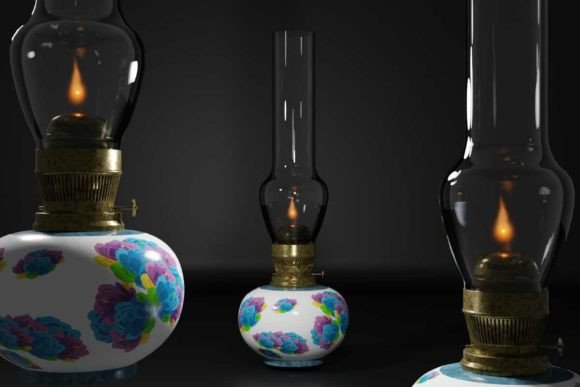
When planning a 3D scene for an old building restoration visualization or a vintage retail experience, the materials used in props dictate the perceived value of the entire environment. This petrol lamp model distinguishes itself through a deliberate material hierarchy that mirrors real-world antiques. The chimney is constructed from glass, requiring accurate transmission and refraction settings to capture light realistically. The collar, burner, and fire-control mechanism are modeled in brass, a metal that carries specific connotations of warmth, age, and industrial craftsmanship. Most notably, the tank is rendered in marble rather than standard ceramic or tin.
This material choice is strategically significant. Marble implies a higher socioeconomic status or a specific decorative era, differentiating this petrol lamp from utilitarian field lamps. For marketers and creators, understanding these nuances prevents anachronisms that can break user trust. If your project involves a luxury antique shop or a high-end historical renovation, a tin lamp would undermine the positioning. Conversely, if the setting is a rustic farmhouse, this marble variant might be too ornate. Thoughtful asset selection requires matching the prop’s implied history with your project’s narrative goals. The reference for this specific model was derived from a genuine family heirloom with unique marble decorations, ensuring that the digital asset carries the weight of provenance rather than procedural generation.
Technical Optimization and Pipeline Integration
Strategic resource management in 3D production involves balancing visual quality with performance constraints. This petrol lamp is engineered as a low poly asset with 15,616 faces and 15,428 vertices. This polygon count sits in a strategic sweet spot for modern real-time rendering and interactive applications. It provides sufficient geometric detail for close-up inspection without imposing excessive overhead on the GPU, making it viable for architectural walkthroughs, VR experiences, and game environments where draw calls must be managed carefully.
The inclusion of multiple file formats—.blend (v3.2.2), FBX, OBJ, STL, DAE, ABC, and glTF—addresses a common operational bottleneck: interoperability. Decision-makers and technical artists often face delays when assets require conversion or retopology before they can enter the production pipeline. By providing native Blender files alongside industry-standard exchange formats like glTF and FBX, this asset supports diverse workflows. Whether you are rendering static previews in Blender Eevee for marketing materials or importing the lamp into Unity or Unreal Engine for interactive experiences, the friction is minimized. This versatility allows teams to maintain momentum during critical production phases, reducing the time spent on technical troubleshooting and increasing time available for creative direction.
Lighting Strategy and Atmospheric Planning
A petrol lamp is fundamentally a lighting instrument, and its integration into a scene should be approached with a lighting strategy rather than treated as mere set dressing. The brass mechanism that controls the size of the fire is not just a geometric detail; it suggests functionality. When placing this asset, consider the logic of the flame. Is the wick turned high for reading, or low for ambient mood? The glass chimney interacts with volumetric fog and bloom effects differently than an open flame, creating a softer, more diffused glow that defines the surrounding space.
For educators and storytellers, this interaction offers a teaching moment about pre-electric illumination. The light cast by a petrol lamp is warm and directional, creating deep shadows and high contrast ratios that define the atmosphere of historical interiors. Using this model effectively requires planning your scene’s exposure and color grading around this practical light source. Relying solely on global illumination or HDRI maps often results in flat, unconvincing historical scenes. By treating the petrol lamp as a primary or key fill light, you ground the viewer in the physical reality of the space. The single 2048x2048 texture included with the model is optimized to support this level of detail without bloating memory usage, allowing for efficient texture streaming in larger environments.
Risk Mitigation and Usage Constraints
Strategic acquisition of digital assets also involves understanding limitations to avoid costly missteps. It is imperative to note that this petrol lamp is not a printable model. The geometry is optimized for visual rendering, not additive manufacturing. Purchasing this asset with the intent of 3D printing will result in failure, as the mesh topology lacks the watertight integrity and structural thickness required for physical fabrication. This distinction highlights a broader principle in digital asset management: always verify the intended use case against technical specifications before procurement.
Furthermore, while the model is based on a real-world reference, users must exercise due diligence regarding intellectual property and historical representation. The specific marble decorations are derived from a personal family artifact. While this adds authenticity, creators using this model in commercial projects should ensure it aligns with their own licensing needs and does not inadvertently replicate protected designs if modified. Additionally, because regional terminology varies (petrol vs. kerosene vs. oil), metadata tagging and SEO strategies for projects featuring this lamp should account for semantic variations to ensure discoverability across different audiences. Mislabeling the fuel type in educational content can also lead to credibility issues, so verify the historical context of your specific scene.
Long-Term Value in Asset Libraries
Building a sustainable 3D asset library is an investment in future productivity. High-quality, niche assets like this marble-tank petrol lamp offer compounding returns. Unlike generic props that appear in countless stock libraries, distinctive models with specific material combinations retain their uniqueness over time. For freelancers and small business owners, owning a curated collection of such assets reduces dependency on subscription services and accelerates project turnaround times.
The strategic value extends beyond individual projects. Assets rendered in Blender Eevee, as demonstrated in the preview images for this lamp, serve dual purposes: they validate the asset’s quality for potential buyers or clients and provide ready-made marketing visuals for portfolios. The six distinct materials included allow for variation; by adjusting roughness maps or tinting the brass, a single asset can represent different states of preservation or ages. This flexibility maximizes the return on investment. When planning long-term content strategies, prioritize assets that offer this degree of adaptability. A petrol lamp that can transition from a pristine museum piece to a weathered relic through simple material adjustments is infinitely more valuable than a static, single-use model.
Decision-Making Framework for Historical Props
Before integrating this petrol lamp into your next project, apply a structured decision-making framework to ensure alignment with your objectives:
- Contextual Fit: Does a marble tank align with the socioeconomic status of the environment you are depicting? If the setting is impoverished or purely functional, reconsider the asset choice.
- Performance Budget: At ~15k faces, does this asset fit within your scene’s LOD (Level of Detail) strategy? For background elements, consider creating a lower-LOD version or using imposters.
- Lighting Role: Will this lamp serve as a practical light source or purely decorative geometry? Plan your emission shaders and volumetrics accordingly.
- Format Compatibility: Verify that the provided .blend or glTF files integrate seamlessly with your current software version and pipeline tools to avoid conversion artifacts.
- Audience Expectation: Are you targeting experts who will scrutinize the burner mechanism, or general audiences focused on overall mood? Adjust your texture detail and shading complexity based on viewer proximity and expertise.
By approaching the petrol lamp not as a standalone object but as a component of a larger strategic system, creators can elevate their work from simple 3D modeling to immersive environmental storytelling. The combination of historical reference, optimized topology, and material specificity makes this asset a practical tool for professionals who understand that in digital creation, every polygon and texture map should serve a deliberate purpose. Whether for an antique shop visualization, a historical game, or an architectural presentation, the intentional use of such assets bridges the gap between technical execution and emotional resonance.