Isometric Graph Paper Book for Designers
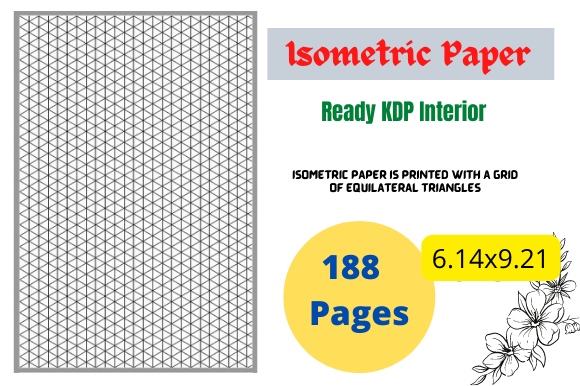
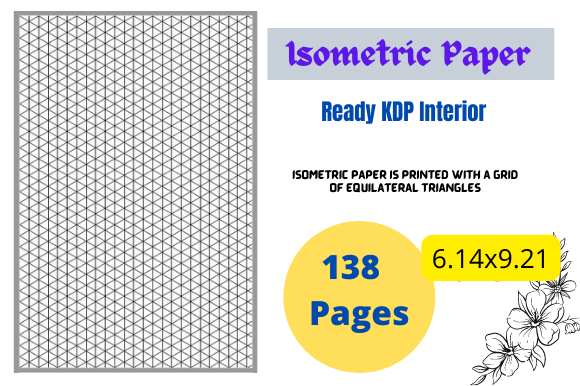
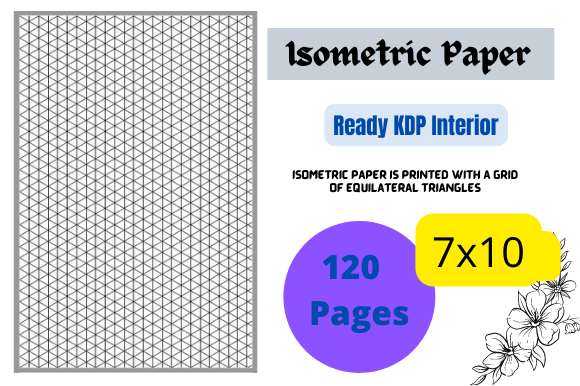
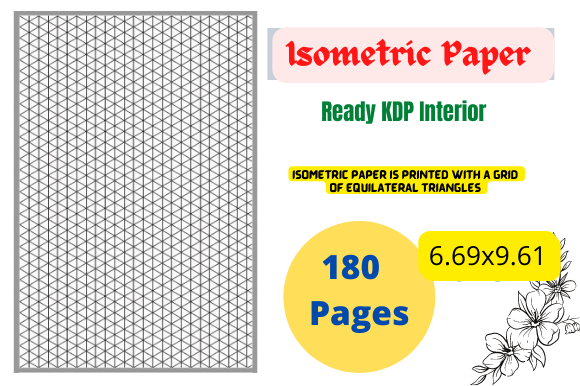
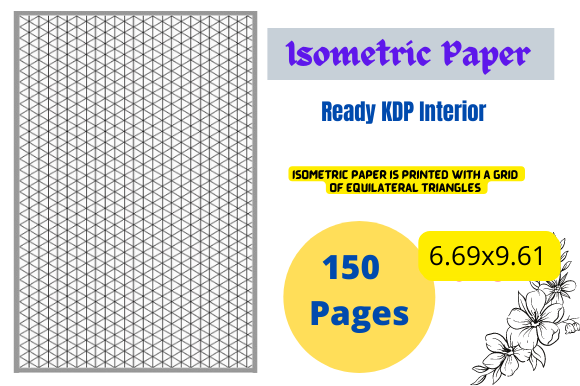
Precision in visual communication often begins with the right foundational grid, and for professionals exploring spatial aesthetics, an Isometric Graph Paper Book serves as an essential creative asset. Printed with a precise grid of equilateral triangles measuring .28 inches, this specialized paper is invaluable for three-dimensional design work ranging from architecture and landscaping to sculpture. Beyond traditional drafting, it has become a staple for graphic designers seeking to create complex, labyrinthine 3D images reminiscent of M.C. Escher, as well as for planning modern 3D printer projects in educational and professional settings.
The Role of Isometric Grids in Visual Design
In the realm of graphic design and visual communication, isometric projection offers a unique method for representing three-dimensional objects in two dimensions without perspective distortion. This technical accuracy is crucial when clarity and measurement matter more than artistic perspective. For designers working on brand identity or logo design, isometric grids provide a structured framework for creating geometric symbols that appear balanced, modern, and technically sound. The consistent .28-inch triangle spacing ensures that every line aligns perfectly, maintaining a professional presentation across various media.
This type of grid is particularly relevant for UX design and web design where isometric illustrations are trending. These visuals help explain complex systems, software interfaces, or logistical processes in a way that feels tangible yet stylized. By using a dedicated isometric resource, designers can sketch concepts rapidly before digitizing them, ensuring the underlying geometry supports the final digital output.
Practical Applications Across Creative Disciplines
The versatility of isometric paper extends far beyond engineering drafts. It acts as a catalyst for innovation in multiple design sectors:
- Branding and Logo Design: Constructing interlocking shapes and 3D typographic treatments that convey stability and innovation.
- Packaging Design: Visualizing box structures and structural layouts before creating physical prototypes.
- Social Media Graphics: Creating eye-catching, depth-rich content that stands out in flat-scrolling feeds.
- Editorial Design: Illustrating infographics and data visualization where spatial relationships clarify information hierarchy.
- 3D Printing Planning: Drafting functional parts and artistic sculptures with accurate dimensional references for fabrication.
For those involved in digital marketing and advertising campaigns, isometric visuals offer a distinct aesthetic that bridges the gap between technical blueprint and artistic illustration. This style communicates expertise and attention to detail, reinforcing trust in technology-focused brands.
Technical Specifications for Professional Workflow
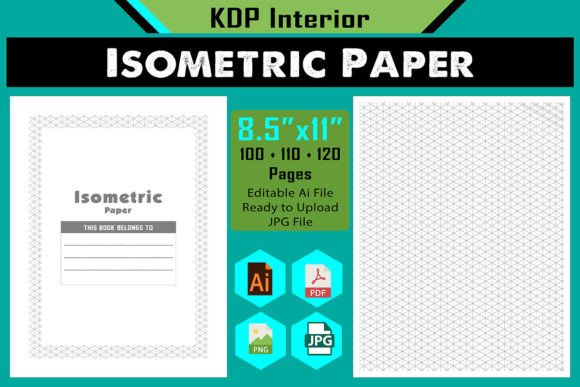
When integrating physical or digital isometric assets into a design workflow, quality and compatibility are paramount. A high-quality Isometric Graph Paper Book typically features standard 8.5 x 11-inch dimensions, making it compatible with standard printing and scanning equipment. Availability in 100, 110, or 120-page counts allows for substantial project documentation without excessive bulk.
For digital adaptation and creative assets development, file format flexibility is critical. Professional resources should include:
- High-Quality Print Ready PDF: Ensures crisp lines at .28 inch spacing with no bleed issues for KDP or commercial printing.
- Editable AI Vector Files: Allows designers to customize grid color, opacity, or scale within Adobe Illustrator to match specific color palette requirements.
- JPEG and PNG Formats: Provides immediate usability for social media graphics, mood boards, or digital overlays.
Having editable vector files is especially important for maintaining visual hierarchy and consistency. Designers can adjust the grid's visibility to serve as a subtle guide rather than a dominant element, ensuring the focus remains on the core message or product.
Enhancing Creativity Through Structured Constraints
While isometric grids impose strict geometric rules, these constraints often fuel design inspiration. The requirement to adhere to specific angles forces creators to think differently about composition and negative space. In typography, this can lead to custom letterforms that interact dynamically with the grid. In UI design, it encourages modular thinking that translates well to responsive web layouts.
Furthermore, as schools and colleges increasingly offer 3D printing facilities, the ability to translate hand-drawn isometric sketches into physical objects is becoming a valuable cross-disciplinary skill. Whether used for geometry education, architectural modeling, or creating merchandise, the precision of a .28-inch equilateral triangle grid provides a reliable baseline for execution.
Ultimately, selecting the right tools defines the quality of the output. An Isometric Graph Paper Book is more than just stationery; it is a strategic instrument for refining modern aesthetics and improving technical accuracy. By leveraging high-quality, tested files and understanding the practical applications of isometric projection, designers can elevate their work from simple flat graphics to immersive, professionally crafted visual experiences that resonate with audiences and strengthen brand communication.